white-line

Your corn. Your sugarcane. The next generation of plastics.

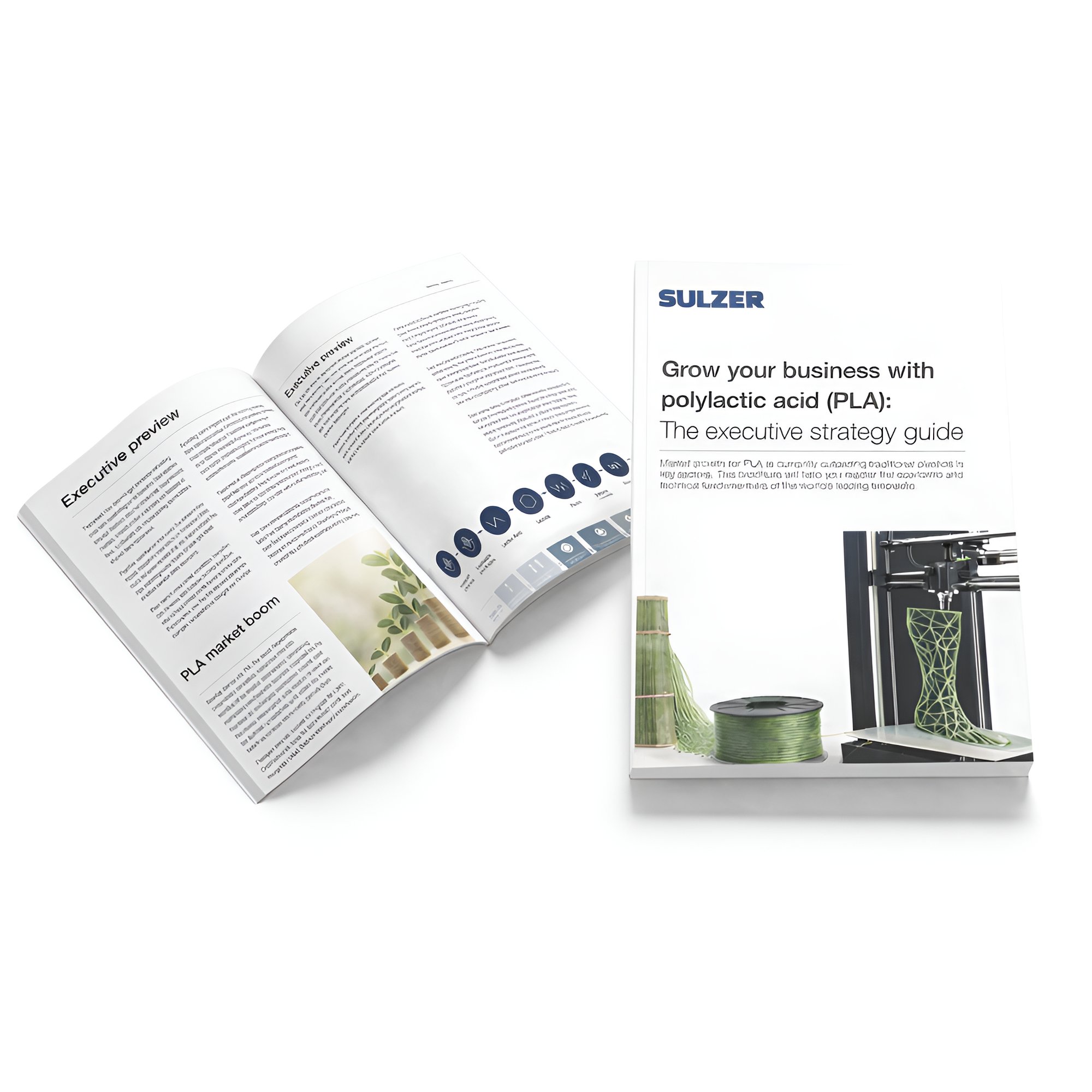
Download the free business guide and discover how to turn your agricultural feedstock into a high-value biopolymer business.  

Up to
$5,000/t 

Reduce product portfolio risk by diversifying to a high value product with market trends different from agricultural feedstocks.

10x value
multiplier 

PLA sells at an order of magnitude higher than the raw material costs.

Lower CO₂
footprint 

PLA emits less carbon dioxide over its lifecycle than fossil-based plastics, supporting regulatory compliance and ESG positioning.

Inside the guide: how agricultural companies are entering the fastest-growing segment of the plastics market.

  • Understand the market drivers behind PLA's rapid growth across packaging, textiles, and agriculture.
  • Learn the end-to-end production process, from lactic acid to finished polymer pellets.
  • Evaluate the key cost and revenue factors that determine project viability. 
  • Assess PLA's lifecycle performance against fossil-based alternatives.
  • Identify the regions best positioned for biopolymer production. 
  • Get the strategic foundation to move from feedstock to bioplastic.
Biopolymer business guide

Sulzer technology is installed in most PLA production plants worldwide. Your project could be next.

75K
Technology can be delivered in any capacity up to 75kta, adapting to the specifics needs of each project”
#1
Reliable
technology provider
50+
Years of polymer
process expertise

From lactic acid to high-performance bioplastic: Sulzer supports your project with proven lactic acid to PLA technology for industrial-scale production plants. Ready to talk? Contact us at polymer@sulzer.com.

Proven across industries and feedstocks

Packaging
Single-use packaging is the largest and fastest-growing demand driver for PLA, fueled by regulatory bans on fossil-based plastics.


Textiles
PLA fibers offer a renewable alternative for the textile industry, with growing adoption in nonwovens and apparel.


Agriculture
Biodegradable mulch films and soil-contact applications benefit from PLA's compostability and lower environmental impact.


Pharma and medical
Specialized PLA grades command double-digit pricing in bioabsorbable medical devices and drug delivery systems.


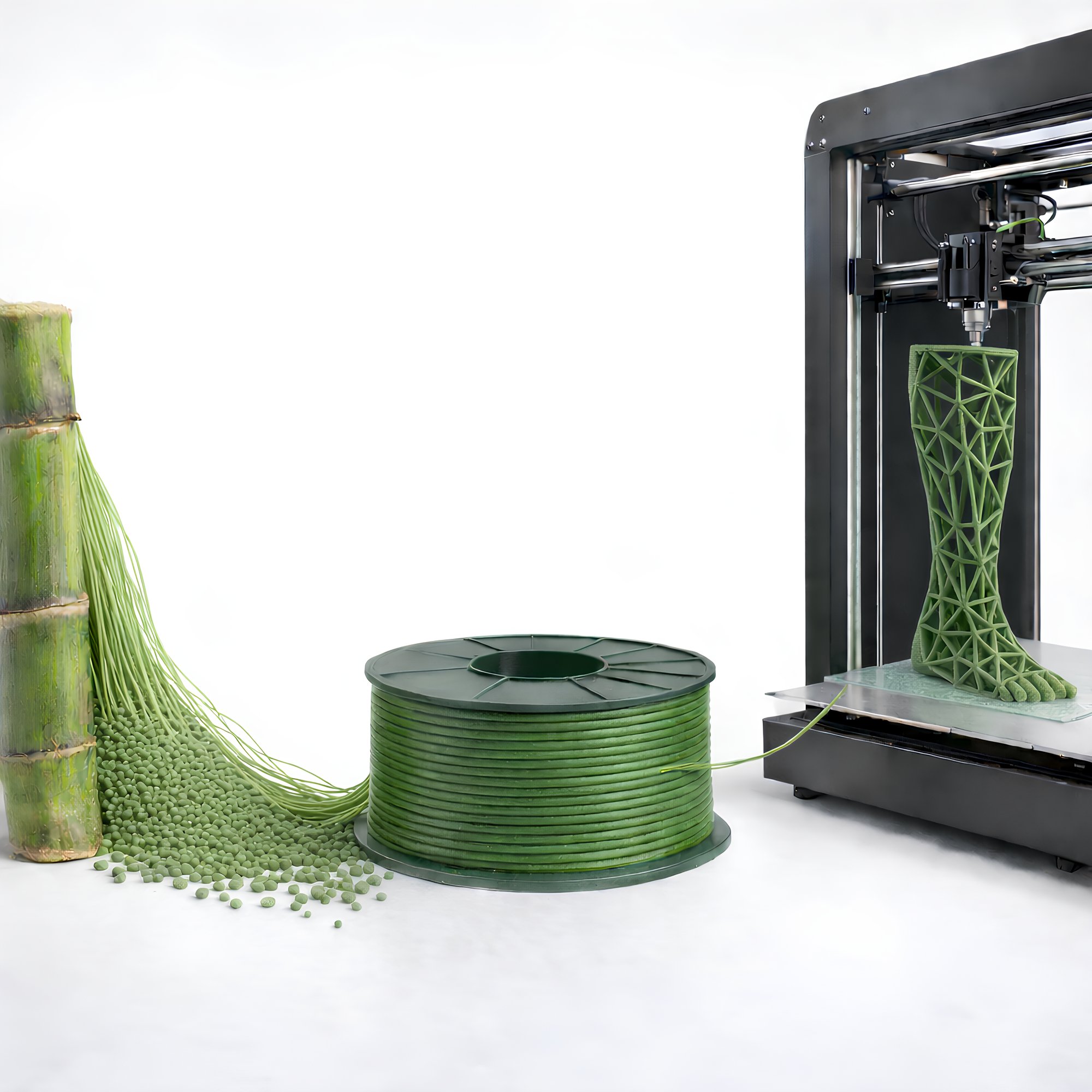
PLA_3D_Printing
Questions? We have your answers.
What feedstocks can be used to produce PLA?
PLA is produced from lactic acid derived from the fermentation of biomass sugars. Common feedstocks include corn, sugarcane, sugar beet, wheat, and cassava. Any agricultural source rich in fermentable sugars or starch can serve as a viable input for industrial-scale PLA production. Alternative feedstocks such as food waste, wood residue, and some streams from the pulp and paper industry, among many others, are also potential sources of PLA.
How does PLA compare economically to fossil-based plastics?
PLA typically sells at 2.5 to 4 USD/kg for standard applications such as packaging and textiles, with specialized pharma and medical grades reaching double-digit pricing. Agricultural feedstock costs are an order of magnitude lower than PLA sales prices, creating significant margin potential across the value chain. Larger-scale facilities benefit from economies of scale that further improve per-unit economics.
What is the typical investment scale for a PLA plant?
PLA plants require sizeable capital expenditure, and the ideal capacity must be assessed on a case-by-case basis. As a reference, Sulzer is currently delivering India's first industrial-scale PLA facility. Sulzer supports projects from early-stage feasibility and techno-economic studies through to full plant delivery.
How long does it take from project start to production?
Timeline depends on project scope, site conditions, and permitting requirements. Sulzer provides end-to-end support covering technology licensing, process design, engineering, and commissioning assistance. Contact our team at polymer@sulzer.com to discuss your specific project timeline.
What makes Sulzer's PLA technology different from competitors?
Sulzer provides complete process ownership from lactic acid through to finished PLA pellets, covering lactide synthesis (SULAC™), lactide purification, ring-opening polymerization (SULROP™), devolatilization, and solid handling. With technology installed in most PLA production plants worldwide and backed by state-of-the-art R&D facilities, Sulzer offers unmatched process expertise and proven industrial-scale delivery.