The purification step is now the competitive edge in nutraceuticals
Consumers can no longer tell a 60% EPA/DHA concentrate from a 90% one by looking at the label. But their bodies can, and so can regulators.
The nutraceutical industry sits at the intersection of science, trust, and human wellbeing. Whatever the product supports, from cognitive health, immune function to healthy ageing, the manufacturing process behind it matters to people who depend on the result. That process starts with feedstocks genuinely rich in value: marine oils, plant-based extracts, fermentation broths, synthetic vitamins. The problem is that conventional separation recovers only a fraction of the bioactive content those feedstocks actually contain, and the shortfall shows up as product loss, thermal degradation of sensitive active ingredients, residual solvents, batch-to-batch inconsistency, and energy consumption that erodes margin before the regulatory bill for FDA, GMP, and ISO compliance even arrives.
Purity has become the market, not a market segment
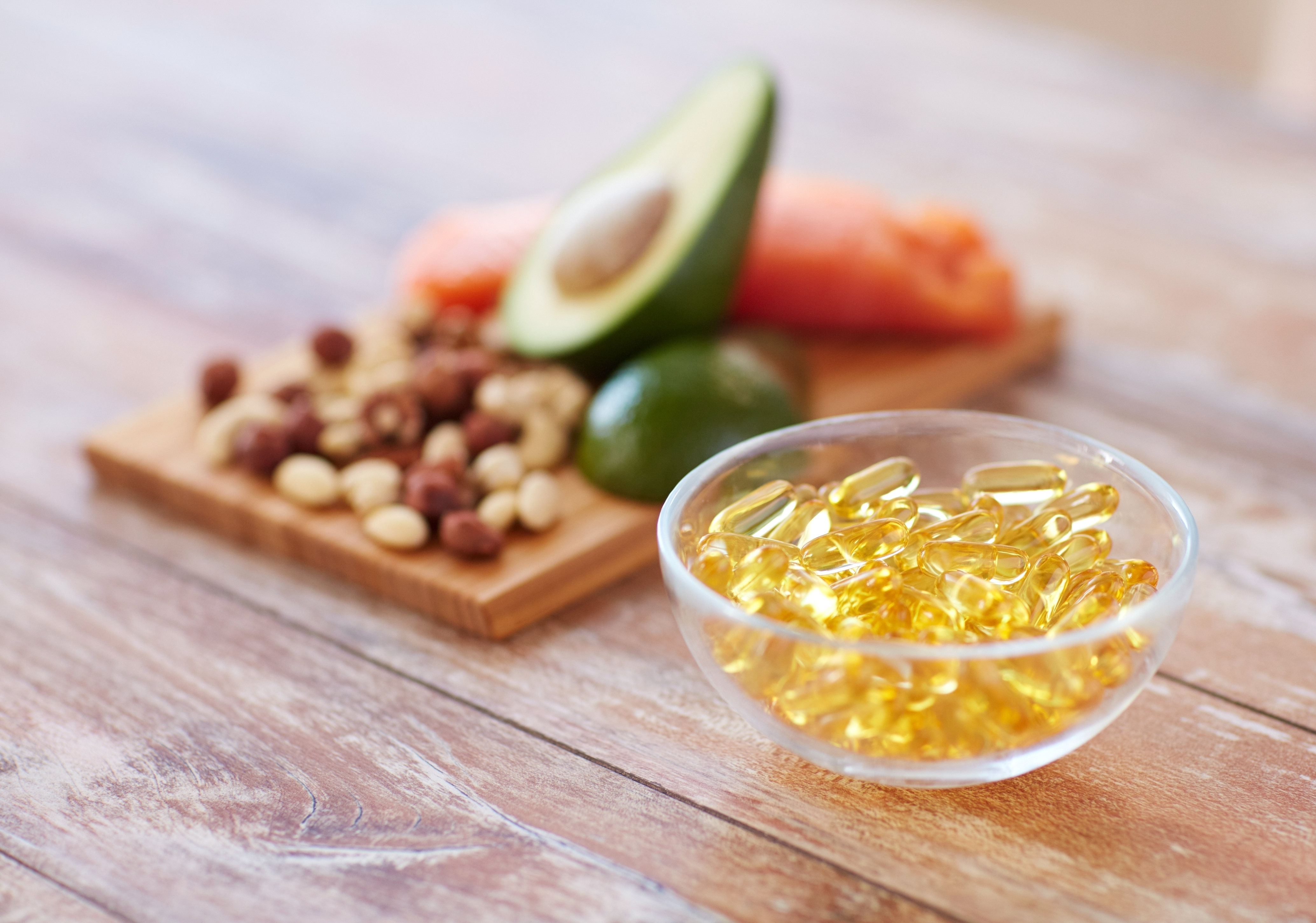
The economics of this problem have shifted in the last few years. In the omega-3 category, market analysis puts the global segment at roughly $3-5 billion in 2025, with premiumisation not volume driving growth: buyers are moving from generic fish oil toward high-concentration EPA/DHA products validated by purity and format rather than price alone. A 90% EPA/DHA concentrate is now treated as the benchmark for both premium nutraceutical and pharmaceutical-grade omega-3 products, on the logic that higher concentration correlates with stronger, more clinically defensible outcomes. That benchmark exposes the core technical tension in the category: EPA and DHA are inherently heat- and oxygen-sensitive molecules, and the same thermal or solvent-driven purification that removes contaminants and concentrates the active ingredient can just as easily degrade it. Reports from omega-3 processors describe losing 15–20% of yield to overzealous cleanup passes aimed at meeting ever-tighter contaminant thresholds a direct trade between safety compliance and product recovery that no single-technology process resolves well.
The same tension recurs across the neutraceutical industry regardless of feedstock. Vitamin E purification, carotenoid recovery, CBD solvent removal, and fermentation-derived actives all share the same underlying constraint: the molecule of value is usually the most fragile component in the stream, and the separation technology must be chosen to protect it, not just to remove everything else.
Matching the separation method to the molecule, not the other way around
This is why a single separation technology rarely covers the full range of nutraceutical feedstocks well. Distillation, evaporation, batch purification, and extraction each solve a different part of the heat-sensitivity and purity problem, and the right choice depends on how fragile the target molecule is and how far below conventional purity thresholds the impurities need to go.
For the most heat-sensitive, highest-value actives, Sulzer's DistilCare™ continuous vacuum distillation operates below 1 mbar, achieving single-pass concentration with minimal thermal exposure relevant wherever pharmaceutical-grade purity is the target and every additional pass is another opportunity for degradation. Where the priority is protecting the active through solvent removal rather than concentration, EvapCare™ evaporation technology uses ultra-short residence time to limit thermal exposure across the extract-to-concentrate pathway. For batch operations that need consistent, high-purity output without the complexity of multi-column setups, Excelot™ flexible batch purification reaches greater than 99% purity in a single cycle, which matters as much for regulatory documentation as for yield consistency between batches is itself a compliance requirement, not just a quality preference. And where heat exposure of any kind is unacceptable, OptimEXT™ selective extraction operates at room temperature, recovering more than 99% of target compounds at up to 50% lower energy demand than thermal alternatives proof that avoiding heat and reducing energy consumption are not competing goals in this application.
What integrated separation delivers
Deployed standalone or as integrated skid-mounted modular solutions, these four technologies are reported to deliver greater than 99.9% product purity, an 82% productivity increase, and up to 70% energy savings compared with conventional separation approaches — figures that hold up under the scrutiny regulators, practitioners, and increasingly informed consumers now apply to every label claim. All solutions are factory-validated, which shortens the path from installation to qualified production.
The more useful test, though, is pilot testing with the manufacturer's own feedstock rather than a reference material. Real batches carry the variability in oxidation state, contaminant load, and matrix complexity that determines whether a given separation technology will actually hit the purity and yield numbers claimed on paper. That is where a process guarantee becomes meaningful: not a specification sheet, but a demonstrated result on the material a producer will actually run.
Have Questions or Need More Information?
We're here to help! Whether you have questions about our solutions or want to discuss how we can support your specific needs, feel free to reach out.
_compressed.png?width=352&name=0109-MCTS_Aftermarket_Campaign_2560x14402%20(1)_compressed.png)